
-

Future prospects of rooftop solar power generation
The Solar Rooftop System market is poised for significant growth by 2026, driven by increasing global emphasis on renewable energy sources and the urgent need to reduce carbon emissions. 13 billion in 2025 and is projected to grow at a CAGR of 14. This expansion is fueled by rising demand across industrial, commercial, and technology-driven applications, alongside. . Rooftop solar can reduce strain on the grid as electricity demand grows. Rooftop solar is cost-efective. . The future of solar energy is set for exceptional growth as advancements in technology, increased investments, and strong policy support continue to push the industry forward. In the United States, over 4 million homes had solar panels by early 2024. Up to 1 kW will dominate with a 8.
[PDF Version]
-

Will wind and solar power be generated in the future
Solar and wind are growing fast enough to meet all new electricity demand worldwide for the first three quarters of 2025, according to new data from energy think tank Ember. . In our latest Short-Term Energy Outlook, we forecast that wind and solar energy will lead growth in U. power generation for the next two years. solar power generation will grow 75% from 163 billion kilowatthours. . This year, new wind and solar power will more than meet growing demand for electricity globally, keeping fossil fuel consumption flat, analysts project. Our nation. . Globally, renewable power capacity is projected to increase almost 4 600 GW between 2025 and 2030 – double the deployment of the previous five years (2019-2024).
[PDF Version]
-
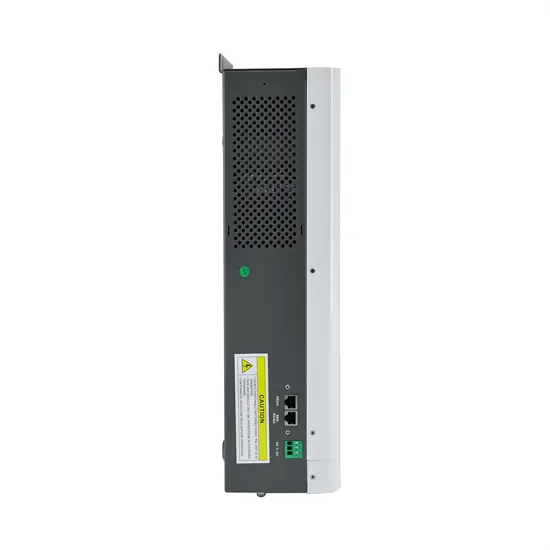
Future solar power generation application areas
Dual-use applications such as agrivoltaics, floating PV, and infrastructure-integrated PV are becoming increasingly relevant, helping balance land use, food production, and renewable energy generation. . The Future of Solar Energy considers only the two widely recognized classes of technologies for converting solar energy into electricity — photovoltaics (PV) and concentrated solar power (CSP), sometimes called solar thermal) — in their current and plausible future forms. Because energy supply. . According to the International Energy Agency (IEA), solar power will account for over 30% of global electricity generation by 2050, reinforcing the shift towards a solar-powered future. The future of solar energy will be powered by continuous technological advancements. Some of the most promising. . The Solar Futures Study is the result of extensive analysis and modeling conducted by the National Renewable Energy Laboratory to envision a decarbonized grid and solar's role in it. It's designed to guide and inspire the next decade of solar innovation by helping us answer questions like: How fast. . IEA PVPS has released its latest Trends in Photovoltaic Applications 2025 report, revealing that the world's cumulative installed PV capacity surpassed 2 260 GW by the end of 2024, marking a 29% year-on-year increase. This remarkable rise is fueled by falling costs, supportive regulations, and key Solar Energy Innovations.
[PDF Version]
-

Does solar glass have a future
The future of solar glass technology looks promising, with ongoing advancements and innovations in the field. Researchers are working on developing more efficient and cost-effective solar glass panels that can generate higher levels of electricity from sunlight. . With PV module capacity ramping up, glass suppliers have been investing in new solar glass production capacity. As in India and China, new facilities are popping up in North America, with unique twists to ensure competitiveness, such as using recycled material. 07 Billion in 2026 and is anticipated to reach USD 30. 3% during the forecast from 2026 to 2035. This article explores its market potential, innovations, and real-world applications – a must-read for architects, developers, and sustainability advocates. They're designed to be integrated into buildings, replacing traditional. .
[PDF Version]
 MENU
MENU